

Last week, I delivered my fourth novel to my publishing team…two and a half months after writing the words: THE END . It was a long process, with late nights, bleary eyes and times when the edges of my mental health were pressed, but it’s done, and I’m so proud of it. But the truth is, getting to The End is only half of the story – there’s a lot more to come before your book is anywhere near ready! If you’re an aspiring author, currently writing your book or simply want to understand the publishing process, this is for you.
First things first
Congratulations! Getting to the end of your story is a massive, enormous achievement. There are so many people who want to write a book, but much less who actually do. And of those, there are even less who get to write: THE END. So give yourself a pat on the back, take a few days off, celebrate and let your mind recover. If you have a publishing contract then the next part will be taken care of for you, but I will say that if you’re self-publishing, investing a little time, effort and in all likelihood money, is absolutely necessary. I’m talking about editing.
Editing: Do you really need it?
The answer is yes, you do. At least, you do if you want to actually make a career out of writing and earn some money and reputation with it. You’ve written your novel. You know it inside out. You know every singe character, what makes them tick, what they’re afraid of, how they develop over the course of a story, what they look like, their mannerisms – everything. And you also know your storyline inside and out – every curve and shock and revelation and trajectory. You know all this because it has come from the amazingness of your mind, not to mention because you’ve spent countless hours tapping away on your keyboard to alchemise your ideas into story.
And this is exactly the problem.
When you’re so close to something, you can’t see the places where there might be gaps or discrepancies, or things that just don’t make sense. While it might be obvious to you that Jack is controlling in relationships because he grew up without any control over his life at all, it might not be clear enough for a reader who doesn’t know more about Jack than what’s written on the page. Editing is necessary because it’s a fresh pair of unbiased eyes who can help tighten up your story, make sure pace is maintained and shape it to be the best that it can be.
Step 1: Self-editing
I know that by the time you’ve written your novel, chances are you’ll need a break, which is why I said: celebrate and take time off. Before you send it to your structural editor, it’s a great idea to have a thorough read through yourself first. Take care of discrepancies, move things around, spellcheck – whatever you need to do to make sure your editor is getting the cleanest version they can so they can get on with their job of making your book even more amazing.
Step 2: Structural edits
This is the part that always has me quaking in my boots, because it’s the first time anyone aside from myself will read the manuscript. A structural editor is there to check for plot holes, tighten up character development, make sure the pace is right and most of all, ensure the story makes sense. I personally had three rounds for this, which meant, the editor sent her comments back to me and I had two weeks to make my edits, and then two weeks break, a further two weeks for more edits followed by one week break, and then one last final week to get everything in order.
What the edits look like will be individual to your book. For me, it was a lot about actual structure for All We Left Unsaid (working title), because it follows two protagonists. We also had big discussions about whether or not Ivy needed to die (I fought for her dying because a, I believed she should and b, can you imagine the amount of storyline changes if she didn’t?!). The second round was about character fine-tuning -making sure the things they did made sense and were in line with the story. The third and final round was culling – fifteen thousand words worth. Of course it hurts to lose certain chapters and scenes, but in the end, it’s all about having an engaging story, and absolute trust that editor knows their stuff!
Step 3: Copy and line edits
Once you’ve got your structure in place, it’ll be read through by another editor (or a team of them!), this time to check for time consistencies, spelling errors, grammatical errors and so on. If you’re self-publishing and you want to skip structural edits (which I don’t advise you do!), then this is the absolute minimum you want to publish with. Spelling errors are going to be in your novel. It’s guaranteed. Making sure that someone other than you is there to fine-tooth comb them out is absolutely essential.
What comes next?
While your edits are being made, there’s the book cover design process, finding a title, your marketing strategy and back cover blurb to work on. Even if you have a publishing contract, you’ll still be involved in this, though to what degree will depend on your publisher. How long this takes will also depend on your own circumstances but, for context, All We Left Unsaid was handed in, post structural edits, in mid April. It won’t be released until November. The process can feel long but it’s necessary to make sure that all those steps are made.
So there you have it – a peek of what happens when you get to The End. I’ll be posting updates about All We Left Unsaid as we go along, so stick around for that by dropping your email address below and signing up to my mailing list (and you’ll get a free copy of my short story, Pull).
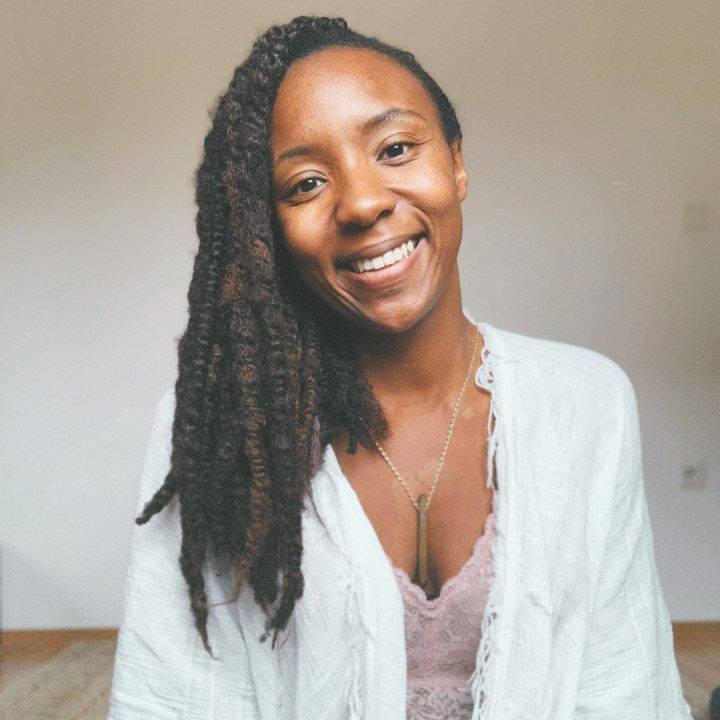
Natalie Martin is a bestselling Women’s Fiction author with a passion for empowering women through story. She writes about love, life and the tricky parts inbetween. All We Left Unsaid is her fourth novel and will be released in November 2021.
 Natalie K. Martin