
Yay! Last week, I got something amazing in the post! Take a look!
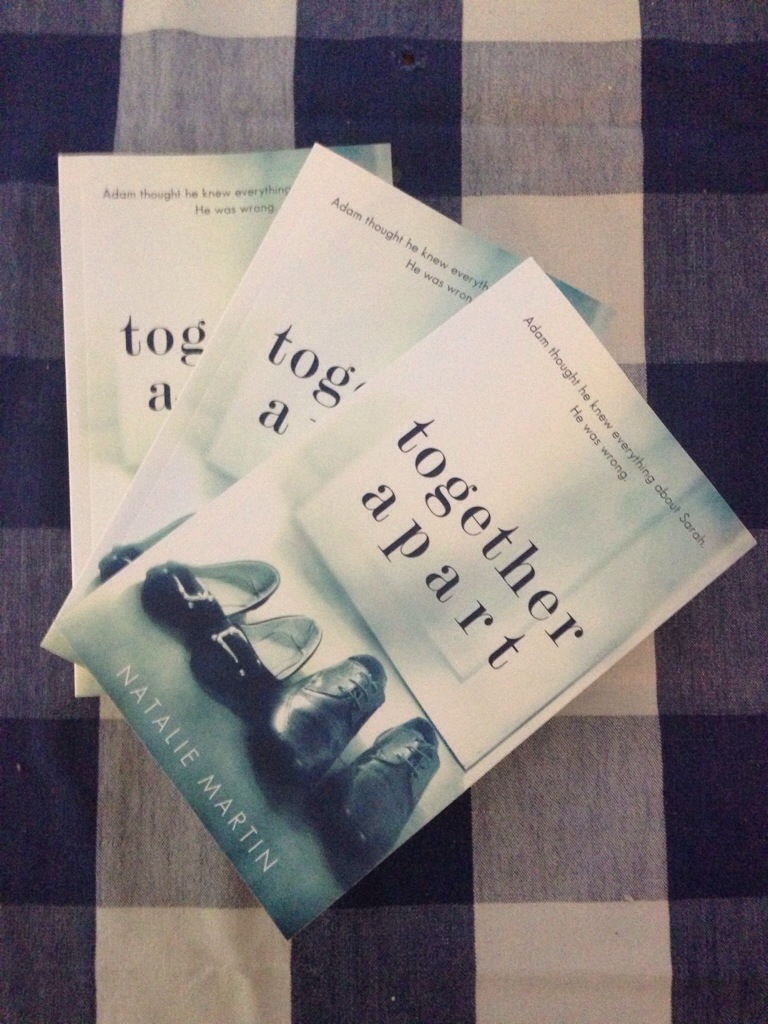
I am beyond excited. I’m currently reading through the proofs and hopefully, it’ll be available on sale in the next two weeks.
Time to pop open the prosecco!
Yay! Last week, I got something amazing in the post! Take a look!
I am beyond excited. I’m currently reading through the proofs and hopefully, it’ll be available on sale in the next two weeks.
Time to pop open the prosecco!
There’s never an excuse.
That was some good advice I got from my lovely friend and fellow author, Caroline Batten. I’d been to stay with her (look out for that post shortly) and after a bit of a chat, an idea was hatched for a new book. I’d had a bit of a panic because the main character loves sex. Yes, yes, I know we all do, but it’s different when you’re writing.
Back in the day, a heap of chick-lit books revolved around sex. Casual, mostly, until Mr Charming came along and swept the heroine off her feet. Mine is a bit more topical and less chick-lit, but one of the main characters gets down and dirty in the opening chapter with someone she’s only just met. On Tinder. And therein laid my problem.
I don’t write erotica, no – just no – props to erotica writers but I just can’t do it, it’s bloody tough! But I do want to write about someone normal, who happens to like getting laid. I spoke about the plot outline with two male friends at the weekend and they all said ‘NO!’. You can’t possibly write about a female who likes casual sex, it’s offputting. One of these guys is one of my best boy mates and always gives good advice, but I struggled with this view. They’re not my target audience, I admit, but while I disagreed, it did get me thinking about whether it would be too much for some.
The main character in question is Claire, Sarah’s sister in Together Apart. I always wanted to develop her a bit more and give her a story of her own, and this idea seems perfect. But it’s difficult enough trying to get your own fan base when you’re a writer – the last thing we want is to alienate people because of subject matter. But then again, how many books do people read and wish it could have been just a bit more? A bit more different, a bit more daring, a bit more real.
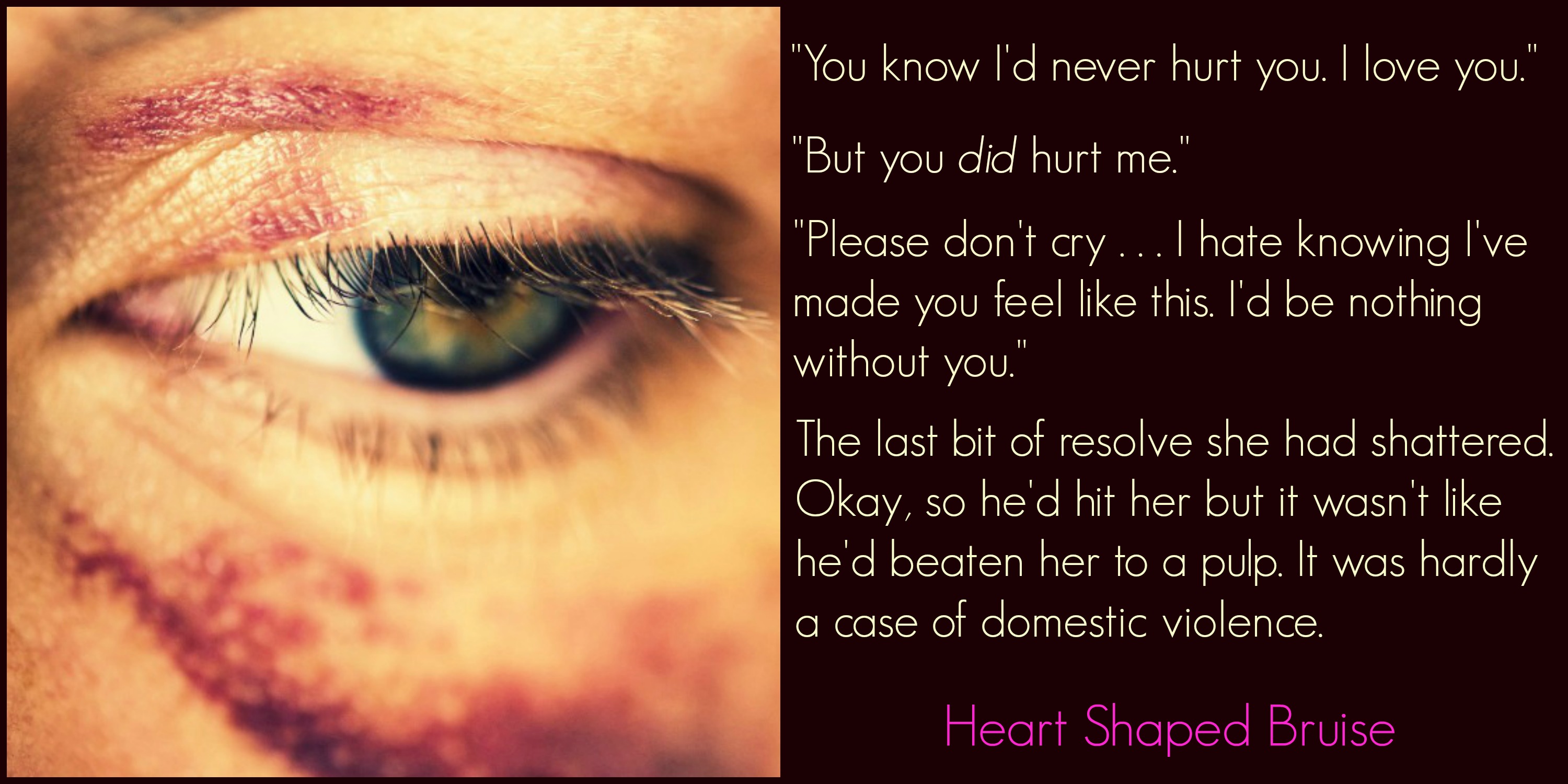
After speaking to Caroline, she told me to get a grip and write the book I want to read. And this is the kind of book Iwant to read – something REAL. It’s what I’ve always set out to do, with Together Apart and with Heart Shaped Bruise. Probably not much point in changing what I’m doing now!
If you’re my age or older, you might remember things called video tapes. And, you might remember (not sure about US audiences here), a short, usually gritty style ‘advert’ about video piraters. They’d be sat in a dingy room somewhere, making copies of the latest film and then selling them on a market stall. And then, there’d be a booming male voice that said:
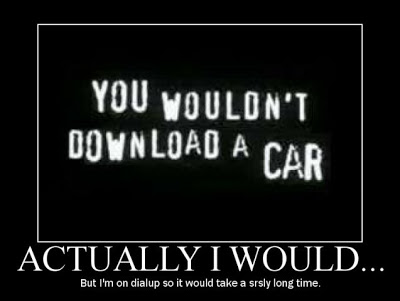
Joke. That just made me laught. What it actually said was:
Let’s all be real here, pirating happens on the daily. Sites like Pirate Bay exist solely for this but I’m not about to wade into whether it’s wrong or right, justified or not. I always thought piracy was more about films and music, but this week, my friend, the lovely Brooke Harris, found her book on a book pirating site. I didn’t even know these things existed.
Of course, it’s easy to be biased. My book was free for five days and now it retails at 99c/77p – hardly bank breaking amounts. Would I be pissed off if it was being pirated on a website? Probably, yes. Was I shocked and disturbed when Brooke told us about what she’d found? Absolutely.
Writers know how hard it is to write. To take the simple idea of story and actually turn it into one. To flesh out characters, to say goodbye to your social life, husband, kids, whatever when that spark ignites. To try not to cry at editing or formatting. To get people to know your book exists and then to part ways with money for it. To deal with online trolls and bullies. But………
It’s less than a dollar or a pound. I mean, really? Back in the day, a video was a tenner. A CD more than that. But a kindle book from a self-published author?
I’m not sure I can overturn my bias on this one. And I don’t usually do bias.
What are your views? I’d love to know what everyone else thinks about it – I had zero idea that this kind of thing even happened. Maybe I’ve just lived a sheltered life!
And, do check out Brooke Harris and her sexy book, Rules of Harte. It’s super hot, probably NSFW unless you have a little bit of privacy and it won’t dent your bank balance because right now, to take these piraters down to size, it’s free! I’m hoping to get her on for a guest blog post soon, too.
Download it on Amazon.com or Amazon.co.uk and follow her on Twitter: @BrookeHarris_
Editing sucks the big one. Most writers know this. It seems never-ending. But, as annoying as it is, it just has to be done. There are so, so many people self-publishing and despite the success of a huge number of self-published books, there are still a heap of people who look down on the principle of self-publishing. Why? Because anyone can do it. Anyone upload something, slap a cover on it and charge money for it – whether it’s the best book ever written or not.
Of course, what makes a good book is subjective. There are some high profile books I’ve read because they had a huge amount of buzz around them and amazing reviews, and yet, I hated them. Nobody will always like everything. But, aside from hating the story, or the characters, or the setting, it’s far, far, far worse to have someone hate your book because it’s badly edited, if it’s edited at all.
I cannot stress how important editing is. I thought I’d had it covered, but one thing I’ve found out is, the more eyes that pass over your book before you send it out into the world, the better. Because bad reviews based on editing cut much deeper than a bad review because they didn’t like the book for what it was. I had friends (writers and non-writers) look over mine, as well as an actual editor, and there were still errors – missing words, that kind of thing. And while some people might overlook that, you’d best believe there are a heap of people who won’t. After pulling my hair out, I think I’ve finally got there.
So, you’ve slogged away, turning that spark of an idea into a story. You’ve actually managed to finish it too, but what now? First, understand what editing actually is. Because it’s more than having someone look over your book and red circle it.
DIY
I cannot help but edit, and I cannot help but do it as I’m going along. Obviously, you’re going to be the first one in the process, but by the time you’ve written THE END, you’ll probably be a) sick of looking at your manuscript and b) too familiar with it to spot the missing words, the double ‘the’s and other such irritations.
Structural Editing
Structural editing is when someone looks over your entire story and basically sees if it makes sense or whether it’s all disjointed and confusing. They’ll appraise the characters, the chapters, the pace, and the narrative. My editor told me she hated the ending of Together Apart (I’d changed it literally days before I sent it to her), but she knew her stuff and explained why. After I took some time to cool down, I could see that actually, she was right, and so I rewrote it. You might think your story is perfect and makes perfect sense, but of course you do. You wrote the thing. Point is, you don’t want to have someone buy it and get to the end thinking ‘what was the point? what actually happened to Gina and her rabid dog?’ It needs to make sense overall. Structural editing is ordinarily done by someone else, and that someone else will charge, unless you’ve got the hook up somewhere. It could be uber cheap, or horrifically expensive, but you must find someone familiar with your genre. I think there’s little point in going for an editor who works with horror if you’ve written erotica. You can usually send off a sample and see what they come back with, but bear in mind, you won’t really see the payoff until they’ve read the whole thing.
Line Editing
Ok, we’re starting to get to the nitty gritty. A line editor (and you might use the same person for all steps in the process) will go through every single sentence and point out any that don’t read correctly, that are confusing, that are awkward, too flowery or don’t pack the punch you were quite aiming for.
Copy Editing
Copy editing looks at those annoying things you might have missed. Typos, grammatical errors, inconsistencies and punctuation. Basically, an enhanced version of what you’d have done yourself up until this point.
There are a LOT of editors out there, and I’d suggest trying to go for someone you’ve had recommended because it ain’t always cheap. And, I’d also suggest you rope in some friends and family to proof-read too. The more people who read it the better. And when you do finally get your book out there, I’d heavily suggest you buy it, download it to your e-reader and give it another read through because despite the steps I went through, I still found errors at this point. The joy of ebooks is you can always upload a new version with the rectified errors, but trust me, it’s better to get them out of the way first.
Oh, and good luck!
 Natalie K. Martin